Local Sake in Tajima: What a Small Menu Taught Me About Japanese Culture
When people think about Japan, they often imagine Tokyo’s neon lights or Kyoto’s ancient temples. Very few have heard of Tajima.
Tajima is a lesser-known region in the northern part of Hyogo Prefecture, facing the Sea of Japan. It’s not even an official administrative name anymore. You won’t find clear borders if you search for it on Google Maps. And yet, among the people who live here, “Tajima” carries weight. It’s a quiet statement of origin, identity, and pride.
I only learned this after moving to Toyooka, a small city within this region. At first, Tajima was just a name. Over time, I began to understand that it represented something deeper — a shared sense of place that survives beyond political boundaries.
Surprisingly, what helped me understand this best wasn’t a history book. It was a small sake menu.
The Lesson Hidden in a Sake Menu
I work at a traditional Japanese inn, known as a ryokan. Unlike large hotels, ryokan tend to emphasize local ingredients, seasonal dishes, and regional identity. Every detail — from the food to the ceramics — reflects where you are.
The drink menu is no exception.
Among many possible choices, the sake selection focuses on bottles produced within Tajima. At first, I didn’t think much of it. Sake is everywhere in Japan. Supermarkets carry countless brands from all over the country. How different could one region really be?
But the more I paid attention, the more I realized this wasn’t just about taste. It was about intention.
Understanding “Dry” the Right Way
Before I go further, there’s something I once misunderstood about sake — and many newcomers do too.
When sake is described as “sweet,” “slightly dry,” or “dry,” it doesn’t refer to spiciness or alcohol strength. “Dry” simply means less residual sugar after fermentation. The finish is cleaner, lighter, and less sweet — not harsh or burning.
Learning this changed how I approached tasting sake. It shifted my focus from intensity to balance.
Three Local Bottles, Three Stories
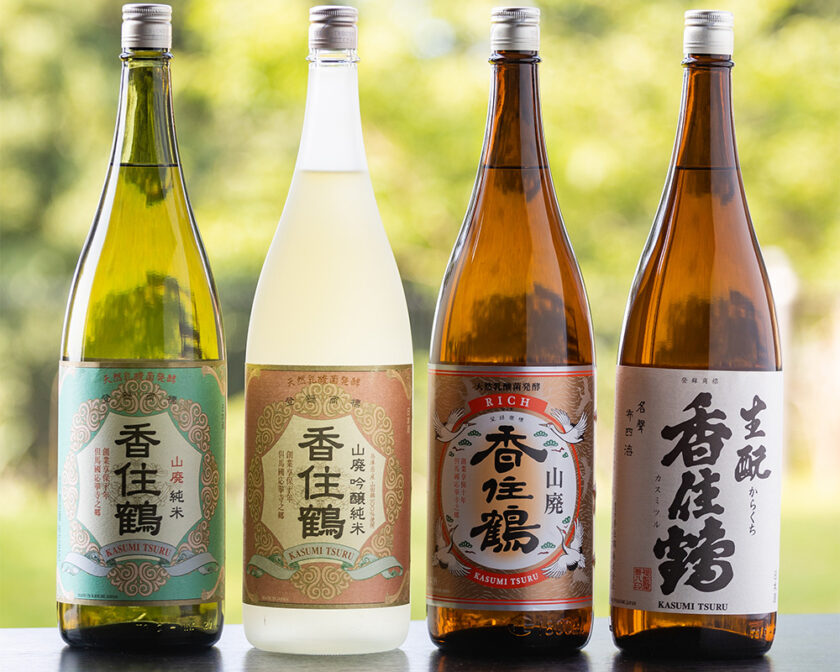
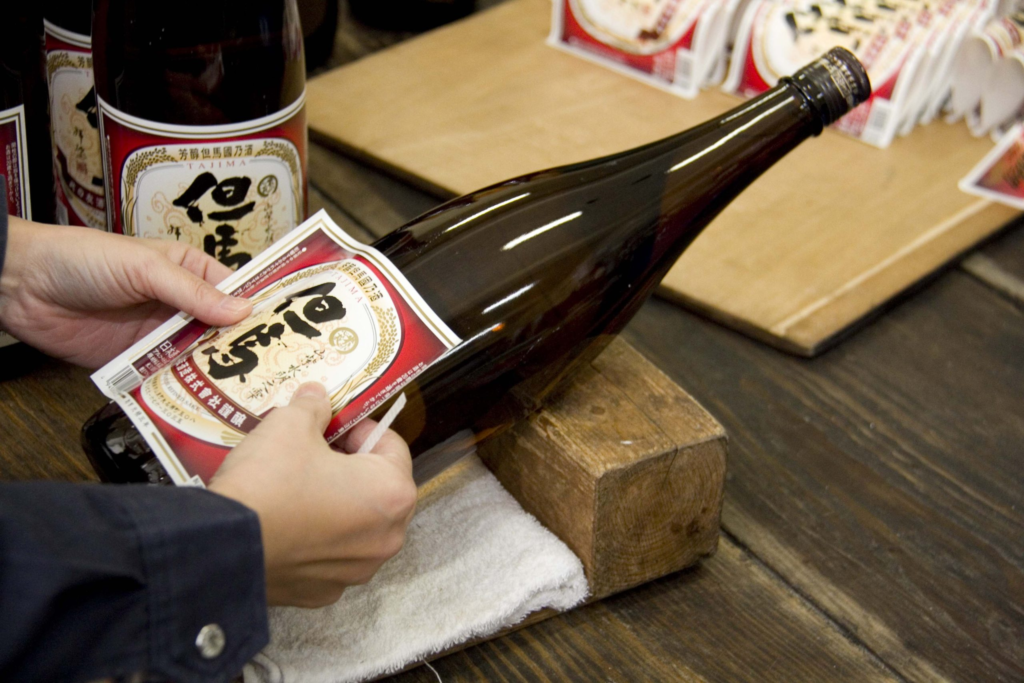
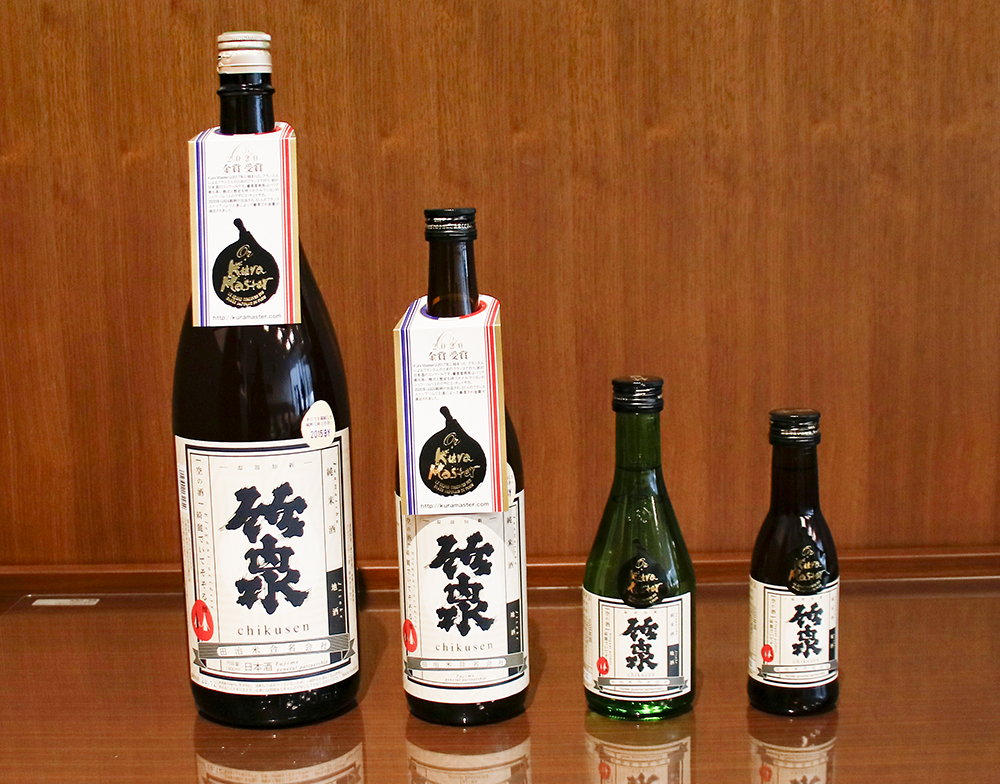
Three locally brewed sakes from Tajima — each reflecting a different style, from traditional fermentation methods to Yamada Nishiki rice craftsmanship and pure junmai brewing philosophy.
At the ryokan, three local sakes appear regularly on the menu. They differ in style, but all are brewed in Tajima.
One leans traditional, brewed using older methods that require more time and patience. Its flavor is rounded and deep, pairing beautifully with seafood served during a kaiseki dinner — Japan’s seasonal multi-course meal.
Another is made from Yamada Nishiki rice, often called the “king” of sake rice. It’s slightly dry, balanced, and approachable — the bottle I usually recommend to guests trying sake for the first time.
The third is cleaner and more structured, brewed without added distilled alcohol — a style known as junmai, meaning it uses only rice, water, yeast, and koji mold. There is even a higher-grade version in which the rice is polished more extensively before brewing, resulting in a more refined aroma.
Each bottle tastes different. But more importantly, each represents the same philosophy: honoring the region that made it possible.
Why Local Sake Matters More Than Famous Brands
Japan has many famous sake-producing areas. Some brands are internationally recognized.
But what struck me in Tajima was something quieter.
The ryokan doesn’t select these bottles because they are trendy or widely known. They choose them because they are local. Because they reflect the climate, the water, the rice, and the people of this specific region.
Guests who come to Tajima aren’t just here to sleep, eat, or sightsee. Consciously or not, they are here to experience a place. A glass of locally brewed sake becomes part of that experience — just like the dialect, the landscape, and the seasonal ingredients on the table.
Working here taught me that local pride in Japan often reveals itself in subtle ways. Not through loud marketing, but through careful choices.
What I Took Home
If you ever visit a rural area in Japan, I encourage you to look at the sake menu more closely.
Ask where the bottle comes from.
Ask why it was chosen.
You may find that what’s poured into your glass carries more than flavor. It carries geography. History. Intention.
In Tajima, I learned that sake is not just a drink. It’s a quiet expression of belonging — and if this story resonates with you, you can explore more stories from rural Tajima here.