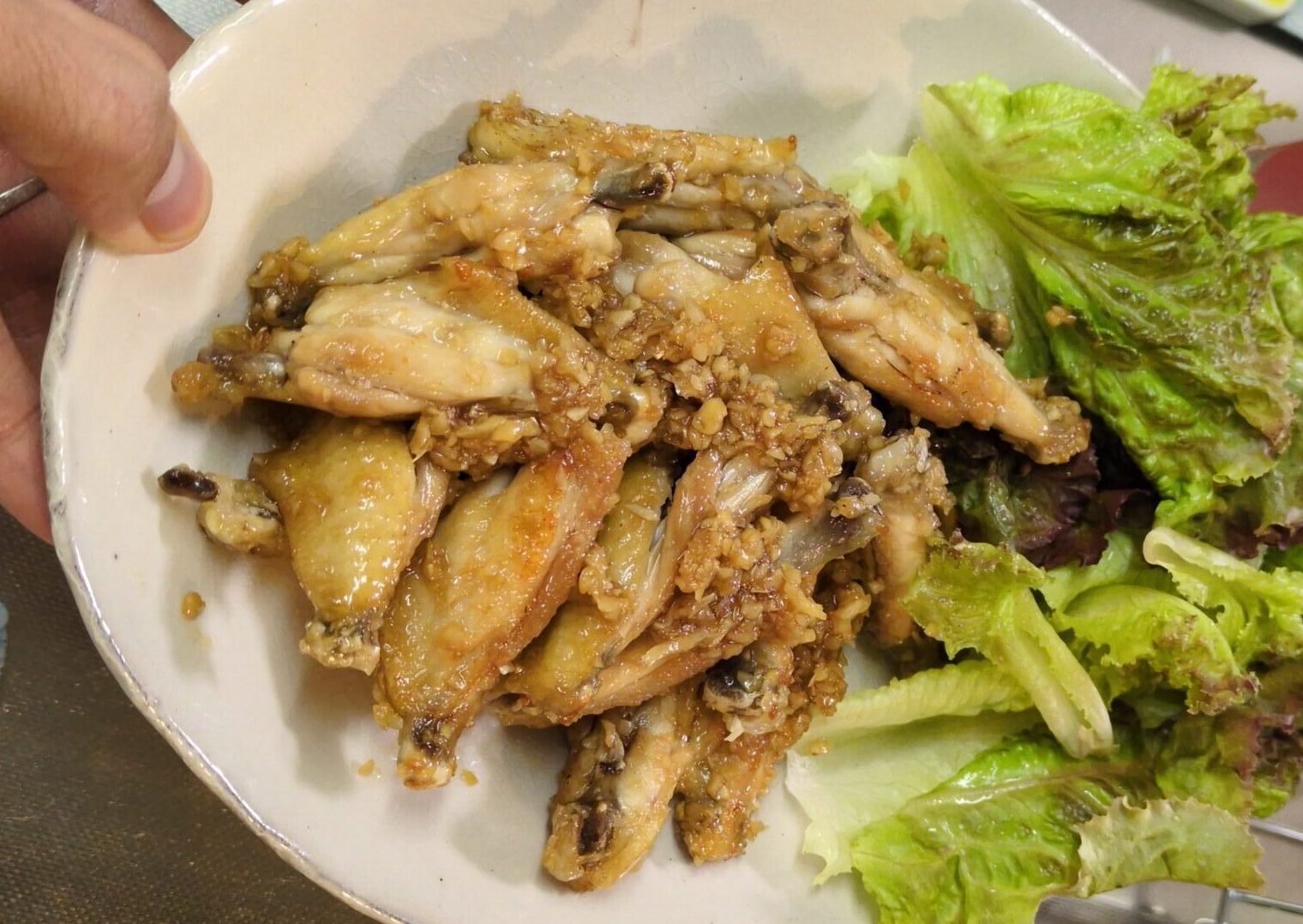
Garlic Fish Sauce Chicken – Easy Vietnamese Home Cooking in Japan
Easy Vietnamese Recipes – Cook With Bean JP
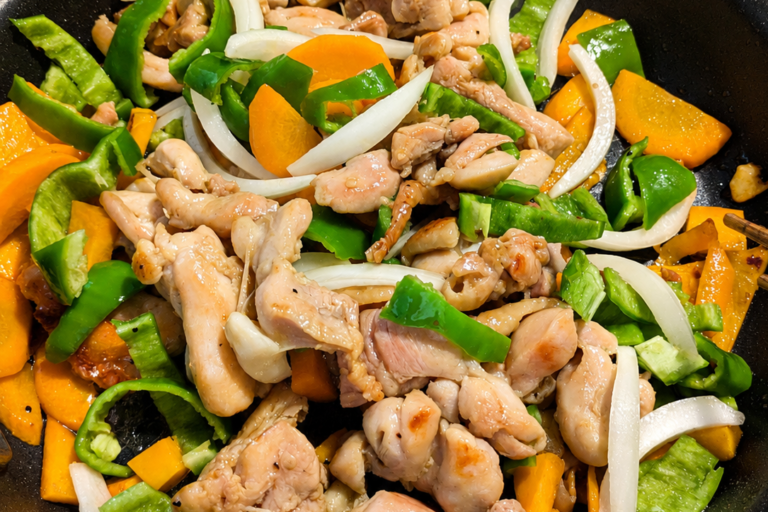
Garlic Fish Sauce Chicken is one of the dishes I cook most often when I want a quick and simple Vietnamese-style home meal. It’s lighter than deep-fried chicken and faster to make than braised dishes. You simply pan-fry the chicken until lightly golden, then coat it with a garlic fish sauce, and the meal is ready.
In Vietnamese cooking, fish sauce plays a central role. I’m using Phu Quoc Hung Thanh Fish Sauce (35°N), a high-protein fish sauce with a deep savory flavor that is rich but not harsh. When sautéed with garlic and coated onto the chicken, the aroma is well balanced and not overpowering, which works well for everyday home cooking.
This recipe is based on my everyday cooking experience in Japan. It is adjusted to be less salty, not overly sweet, and uses easy-to-find ingredients while keeping the basics of Vietnamese home cooking.
🛒 Ingredients
- Chicken mid-joint or wing sections: 350–400 g
- Garlic: ½ large Japanese garlic bulb or 10–12 cloves, finely minced
- Fish sauce: 1–1.5 tbsp (for 35°N fish sauce; you can add 1–2 tbsp water to soften the saltiness when making the sauce)
- (I’m using Phu Quoc Hung Thanh Fish Sauce 35°N. In Japan, Amazon JP is a convenient option. The reference link is listed below.)
- Sugar: 1 tbsp (mainly for color, not sweetness)
- Ground black pepper: ½ tsp
- Cooking oil: as needed
- (Optional) Chili or dried chili flakes
🔪 Preparation
- Chicken sold in Japanese supermarkets is usually very clean and odor-free, so I normally pat it dry with paper towels and cook it directly. If you prefer Vietnamese-style preparation, you may rinse it briefly — this is optional.
- You can parboil the chicken for 1–2 minutes before frying. This step helps the meat firm up and cook more evenly, especially when using bone-in pieces.
- Lightly score the chicken so it absorbs seasoning and cooks evenly.
🍳 Pan-frying the Chicken
- Make sure the chicken is completely dry before frying. Moisture trapped in the meat can cause oil splatter.
- Let the chicken rest 5–10 minutes after parboiling to allow steam to escape.
- Add the chicken to the pan while the oil is warm, not hot, then gradually increase to medium heat. This reduces splattering and helps the chicken cook evenly.
- Place the chicken away from your body when adding it to the pan, and avoid dropping it forcefully.
- Fry over medium heat until lightly golden on all sides. The goal is firm, evenly colored chicken — not crispy.
- Remove and drain excess oil.
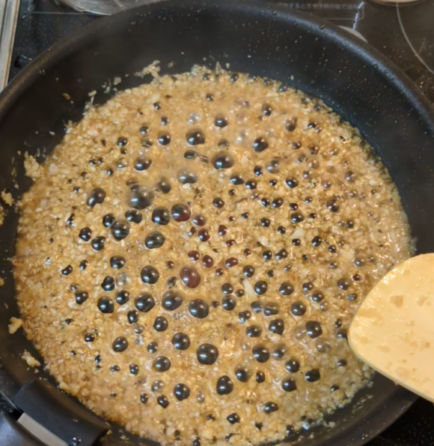
🧄 Garlic Fish Sauce
- Leave 1–2 tbsp oil in the pan.
- Sauté garlic over low heat until fragrant and lightly golden (do not burn).
- Add:
- Fish sauce + water (1:1 ratio)
- Sugar
- Black pepper
- Stir quickly until the sauce becomes slightly thick and aromatic.
🍗 Coating the Chicken
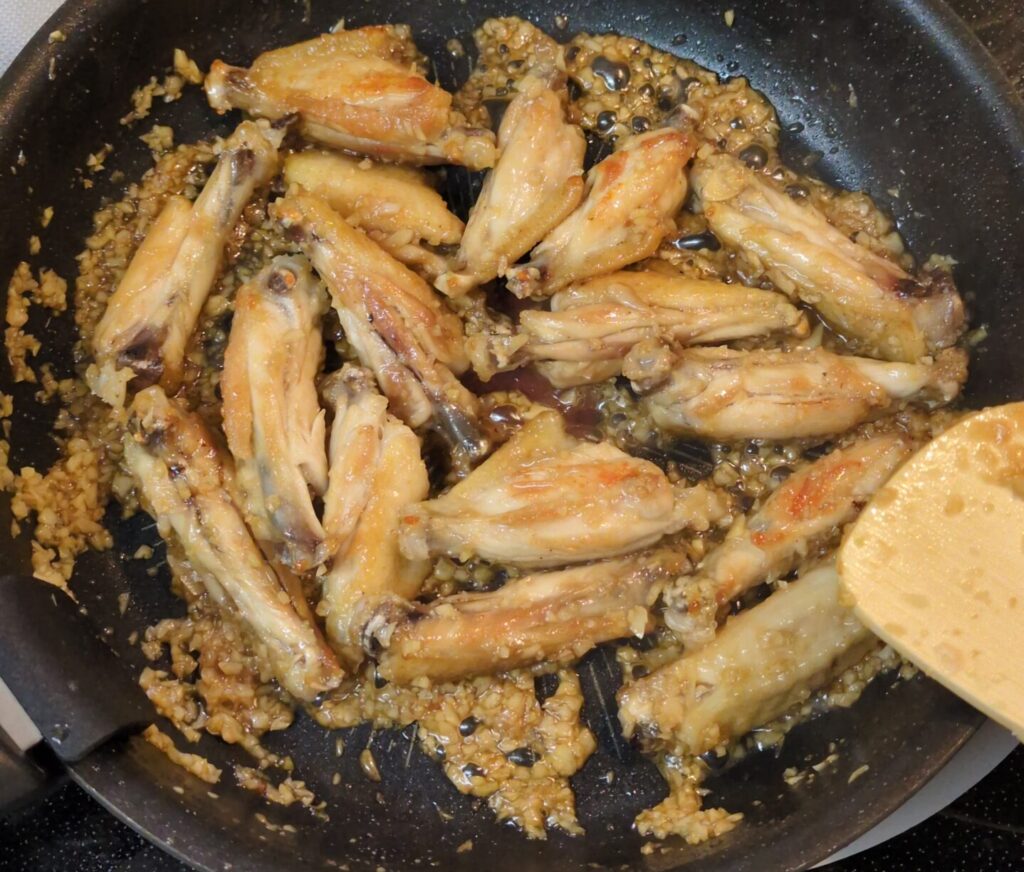
- Return the chicken to the pan.
- Toss gently until the garlic fish sauce coats each piece.
- Cook over low heat for about 1 minute — longer cooking can cause the sauce to dry out or burn.
- Turn off the heat while the sauce is still glossy.
🍽️ Serving
- Golden chicken with a clear garlic aroma
- A balanced savory taste that goes well with steamed rice
- Add extra pepper or scallions if you like
Bean JP Notes:
- About 35°N fish sauce: High-protein fish sauce is noticeably saltier than regular varieties. Pay attention when seasoning sauces to avoid over-salting.
- Garlic quantity: Japanese garlic bulbs are larger and milder than Vietnamese garlic. I usually use ½ bulb or 10–12 cloves. Feel free to add more if you enjoy a stronger garlic aroma — this sauce pairs very well with fresh greens or salad.
- Meat preparation in Japan: Personally, I don’t rinse meat before cooking. Supermarket meat in Japan is very clean, odorless, and kept in a strict cold chain. Cooking it directly after patting dry helps keep the meat’s natural flavor.
🔗 Ingredient Links (Reference)
Some links in this post are affiliate links. If you purchase through them, I may earn a small commission to help maintain this website — the price remains the same for you. Thank you for supporting Bean JP.
If you live in Japan or are an international resident looking for Vietnamese ingredients, here is a reference link to the product I personally use in the Vào Bếp Cùng Bean JP series.
- Phu Quoc Hung Thanh Fish Sauce 35°N – Amazon JP
- Purchase link: https://amzn.to/3NiMY1K
Thank you for reading and following the Cook With Bean JP series. I hope these home-kitchen notes help you cook Vietnamese dishes more easily and authentically — wherever you live.